PermaFungi: a Circular Economy Model Based on Mushrooms
By developing innovative techniques inspired by nature, the company is positioning itself as an example in the biomimicry category. It is proof that local solutions can respond to global challenges, and that this model can be applied elsewhere. As pioneers of underground urban agriculture, they continue to transform the world - thanks to mushrooms!
PermaFungi is one of the 12 winners of the first call for projects "BELGIUM BUILDS BACK CIRCULAR" (BBBC), an initiative entirely dedicated to the circular economy.
From Coffee Grounds to Oyster Mushrooms
Since 2013, PermaFungi has been transforming a common urban waste product - coffee grounds - into a fertile substrate for growing oyster mushrooms in the basements of Brussels. This circular approach reduces organic waste, restores the connection between city and nature and creates local jobs.
CEO Julien Jacquet explains: "The goal is to collect urban waste, take it to the basement and turn it into something valuable: mushrooms that will be consumed locally. The concept comes straight from nature: mycelium converts organic material to produce mushrooms that are useful for the ecosystem."
Besides environmental impact, the company also focuses on social goals. PermaFungi provides opportunities for young people and helps create recognition and appreciation for manual labour. In addition, the company has implemented a participatory governance model: every employee thinks along about their role and responsibilities.
Mycelium As an Alternative to Plastic
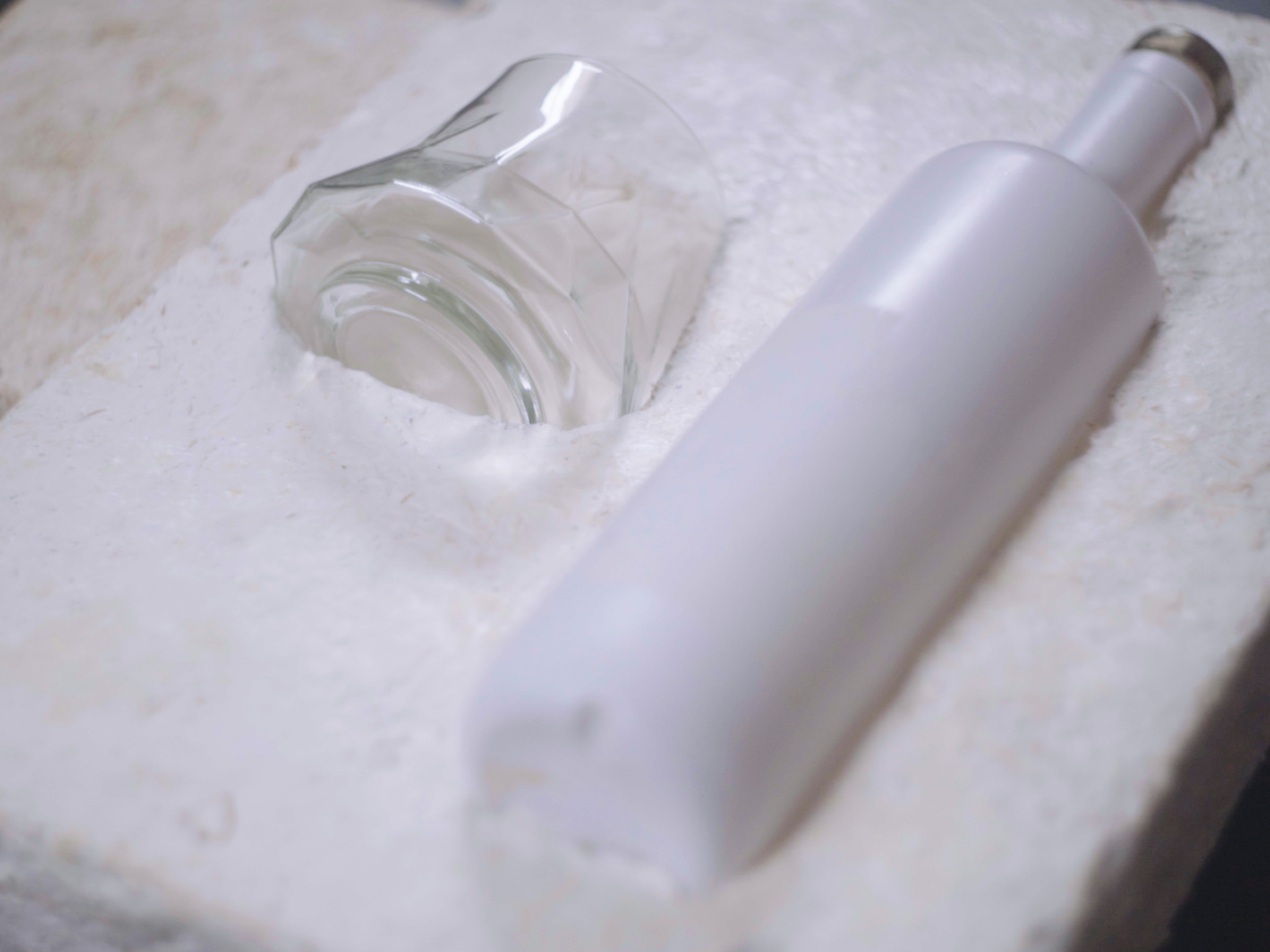
With the Permateria project, PermaFungi is taking another step toward circularity. The company uses mycelium to naturally convert various types of organic waste into sustainable, biodegradable materials. These materials:
replace plastic and Styrofoam, above all in the packaging industry - the largest user of plastic,
emit ten times less CO₂,
consume eight times less energy in production.
PermaFungi's new production centre aims to valorise 10 tons of urban waste each month and convert it into 100 m³ of myco material. This is a concrete and measurable example of the circular economy, with tangible ecological results.
Permateria is supported by the BBBC fund, run by the FPS Public Health in the context of the European programme NextGenerationEU. This support allowed PermaFungi to develop production of myco-materials, without being dependent on fossil energy sources.
This project tackles two major urban challenges simultaneously: recycling organic waste and reducing dependence on polluting plastic. This is in line with the priorities of the FPS Public Health, which is working to counteract plastic and microplastic pollution, given their harmful effects on public health and the environment.
A Model that Can Be Applied Everywhere
PermaFungi wants to spread its circular model more widely. As such, the company organises training courses and workshops to share its expertise on growing edible mushrooms. The ultimate goal is to see urban mushroom farms spring up all over the world.
This model proves that there is a different way to do business, with a strong social and environmental impact and a participatory form of governance. By applying the principles of biomimicry, PermaFungi eliminates the conventional notions of waste, petrochemicals, transport and overproduction, and works to provide an alternative to linear models of production.
Want to find out more? Visit www.permafungi.be for more information on their projects.