Enhancing the Value of the Local Wood Industry Through Partnership
Large quantities of Belgian wood are exported every year, often unprocessed. For Nicolas Spineux, a member of the Les Copains des bois cooperative, that is a missed opportunity. The SynerBois-Belgique project, developed in collaboration with Sonian Wood Coop, offers an alternative: a model in which wood is processed locally in Belgium.
Their approach is being supported by the investment fund "Belgium Builds Back Circular" (BBBC), managed by the FPS Public Health. The project puts local know-how in the spotlight and encourages cooperation between different actors in the wood industry. The environmental impact is reduced as a result, and there is better cooperation, beyond the conventional idea of competition.
The SynerBois-Belgique
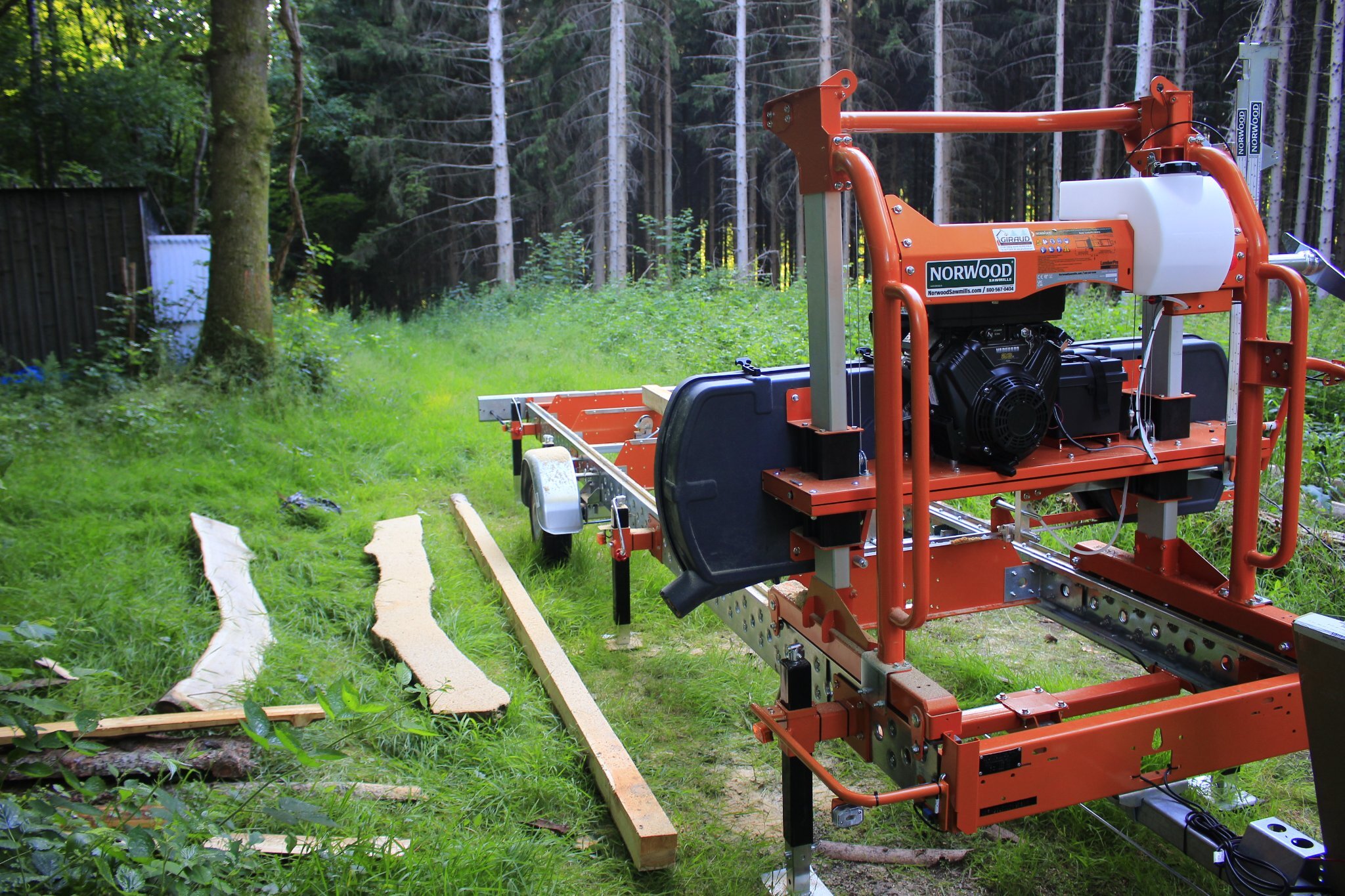
project consciously chose to follow a different path from the technological race dominated by large international players in the traditional wood industry. The partners focus on social and economic innovation. Bringing together different actors around common objectives, they give priority to complementarity over competition, and collaboration is a key focus of their approach. Specifically, the partners share their machines, applications and services, thereby pooling their investments rather than each investing separately in the same equipment. This form of synergy allows each partner to retain control of its own means of production, while collectively strengthening the sector.
Local Transformation, an Inspiring Model
The ambition of the project is clear: to process wood where it grows. By setting up a micro-processing chain between Wallonia and Brussels, the partners can manage the entire process, from log to finished project. As such, a tree from the Sonian forest, or forests in Wallonia, can be transformed into parquet, designer furniture or building elements, without ever leaving the region.
By processing wood locally, the actors involved strengthen their control over the origin of wood and the forestry practices applied. This approach is perfectly in line with European EUDR regulation, which focuses on the traceability and sustainability of wood products within the European market.
A local supply chain means shorter transport distances, reduced carbon emissions and economic value-added retained in the region, which is good for jobs. To maximise these positive impacts, it is crucial to pragmatically evaluate each step in the process using appropriate analysis tools.
Time to Improve the Model Thanks to Government Funding
The financial support from BBBC gave the project leaders time to rethink the model together before implementing it. This period of reflection allowed the partners to further structure their complementarity: Les Copains des bois, located near the forests in Wallonia, focuses on the early processing stages, while Sonian Wood Coop, close to the Brussels market, is developing an urban carpentry workshop. This operational network would not have been possible without the psychological and logistical support of this European funding.